Why Catania Is Built From Lava: Etna, Earthquakes and Baroque Reinvention
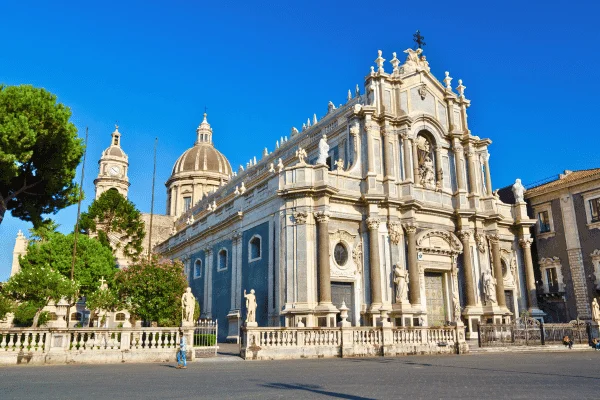
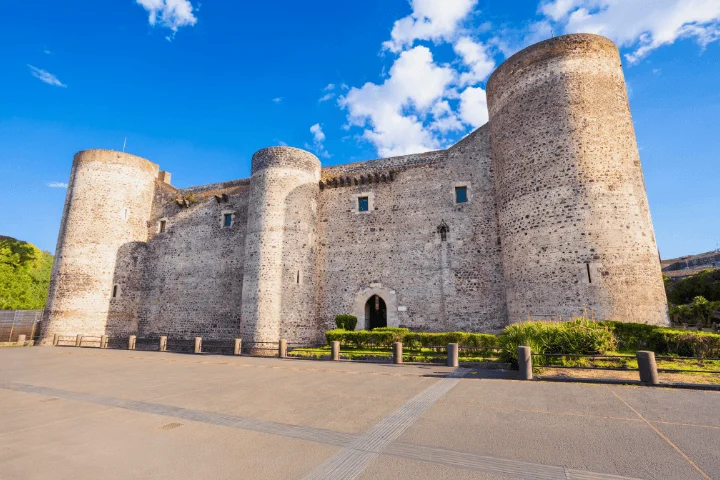
Catania lives beside Europe's most active volcano and carries that relationship in its walls. Dark lava stone frames balconies, churches and streets, giving the city a palette unlike the pale limestone centres of many Sicilian towns. This appearance is not a decorative theme chosen by a planner. It grew from disaster, available material and a massive Baroque rebuilding after the earthquake of 1693. Catania's beauty is therefore inseparable from geological risk. The city does not hide Etna's power. It builds with its remains.
For the complete on location story, explore Trippy Tour Guide's paidCatania audio experience. The locations, directions and narration remain inside the experience.
Catania: etna is neighbour, resource and threat becomes visible through streets, buildings and public space.
Etna is neighbour, resource and threat
The volcano dominates the horizon and has shaped soil, agriculture, belief and settlement. Fertile volcanic ground supports crops, while eruptions threaten homes and routes. Catania's relationship with Etna is neither simple fear nor romantic admiration. It is practical coexistence. Residents learn that the same geological system can sustain livelihoods and destroy familiar landscapes. This double meaning gives the mountain unusual emotional authority.
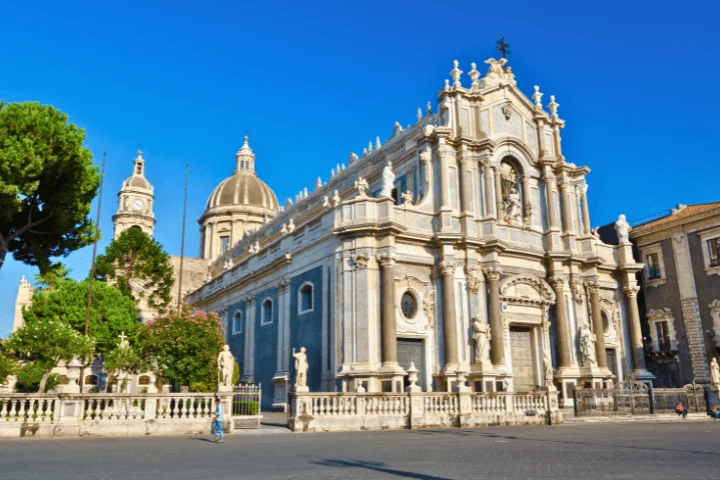
The 1669 eruption reached the city
In 1669 a major eruption sent lava toward Catania. The flow altered land, surrounded structures and reached the sea, extending parts of the coastline. Human interventions attempted to divert lava, revealing both ingenuity and the limits of control. Material from eruptions later became part of construction. The event demonstrates how catastrophe can change urban geography permanently, not just damage buildings.
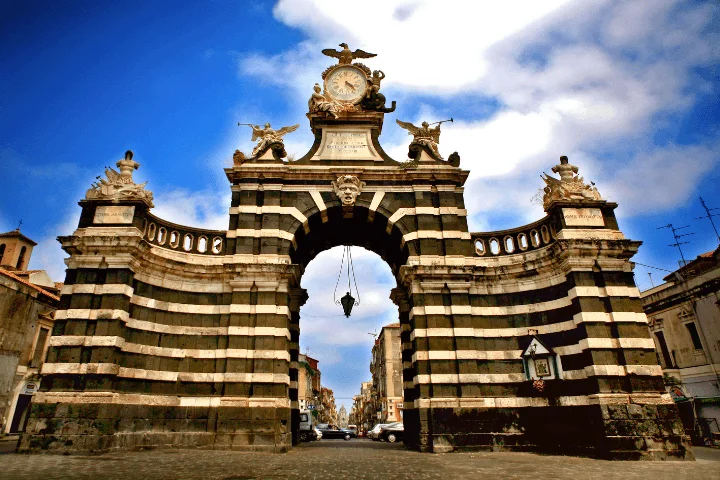
The 1693 earthquake demanded reinvention
A devastating earthquake struck southeastern Sicily in 1693, destroying much of Catania and killing a large part of its population. Reconstruction followed a more ordered plan with wider streets and major squares. Architects including Giovanni Battista Vaccarini helped shape a confident Baroque city. The design was not only aesthetic. Wider spaces and a new plan responded to the dangers exposed by collapse and fire.
The paidTrippy Tour Guide Catania audio experiencedevelops these themes through place without turning the article into a route list.
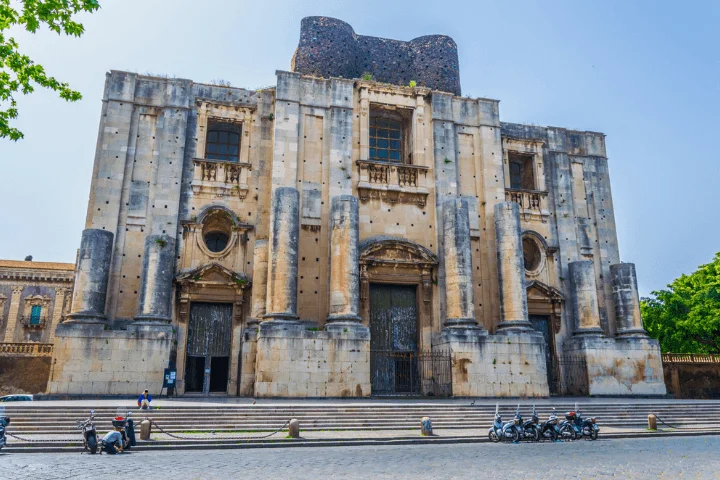
Lava gave Baroque a local language
Dark volcanic stone contrasts with pale limestone decoration across Catania. Columns, doorways and paving turn geology into architectural rhythm. Baroque curves and theatrical façades feel grounded by the material's weight. This combination distinguishes Catania within the UNESCO recognised towns of the Val di Noto. A European style became specifically Catanian because builders worked with the substances around them.
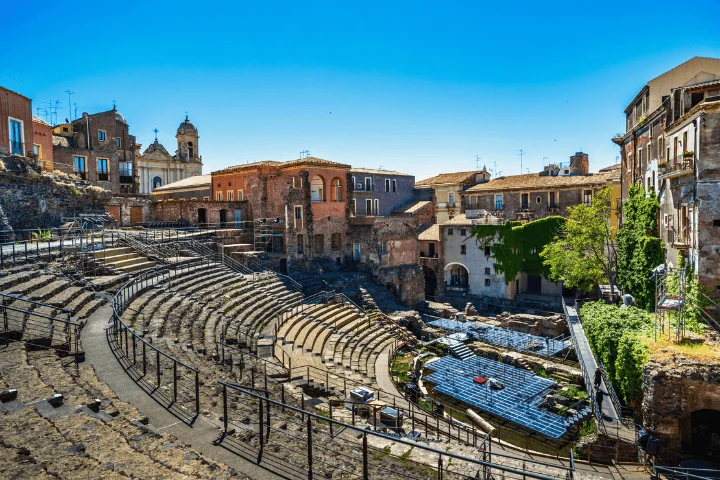
The elephant carries civic identity
Catania's elephant symbol, carved from lava stone and supporting an obelisk, occupies the main square. Its origins have generated competing legends, but its modern role is clear. The elephant represents the city in an approachable form while remaining literally volcanic. It brings myth, material and civic branding together. Like many durable symbols, it succeeds because it can hold several stories without requiring one final explanation.
Reinvention remains unfinished
Earthquakes and eruptions belong to current risk, not only history. Preservation must work alongside safety, monitoring and public education. Catania's resilience lies in adaptation: rebuilding, reusing material and keeping memory visible. The city offers a more honest form of beauty than the fantasy of permanence. Its buildings acknowledge that destruction happened and may happen again, yet urban life continues with confidence.
What the wider story reveals
The most rewarding way to understand this subject is to connect visible places with the systems, choices and memories that produced them. A landmark becomes more than a photograph when its contradictions are allowed to remain. This article provides the wider argument. The audio experience supplies a separate, carefully paced encounter on location.
Continue the story on location
Use the paid Trippy Tour Guide Catania audio experience for the complete narration and navigation. The article deliberately keeps those elements separate.
Open the paid Catania audio experience
Frequently asked questions
Why are so many Catania buildings dark?
Builders used local volcanic stone, often contrasted with pale limestone in Baroque façades.
What happened to Catania in 1693?
A catastrophic earthquake destroyed much of the city and led to large scale Baroque reconstruction.
Is Mount Etna still active?
Yes. Etna remains active and is closely monitored; visitors should follow current official guidance.
Sources and image credits
- Comune di Catania on Baroque heritage
- UNESCO Val di Noto
- INGV Etna Observatory
- Images are supplied from the corresponding Trippy Tour Guide tour gallery.